


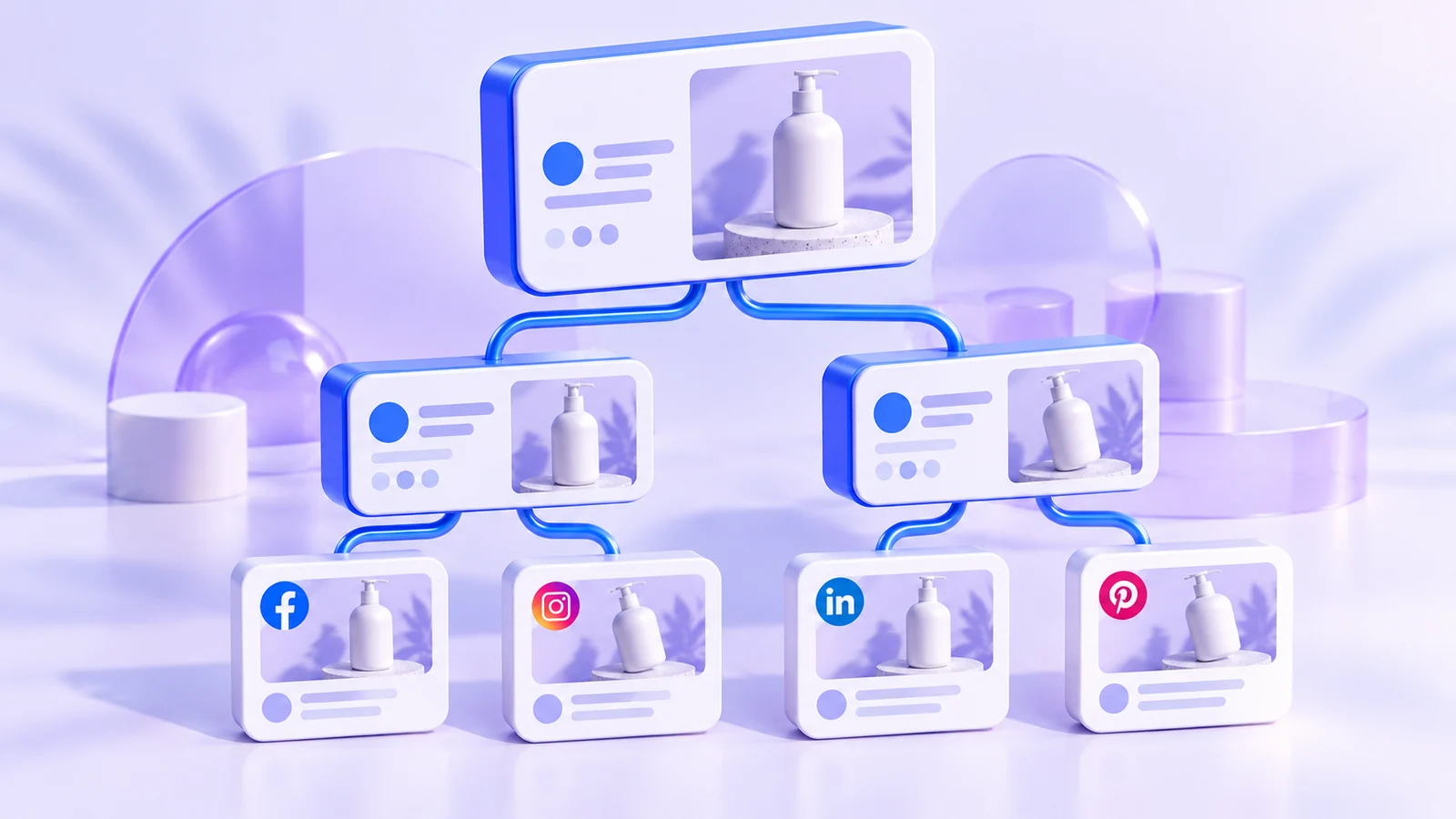
You open an advertising tool and find accounts, campaigns, groups and ads. Why so many levels? Imagine planning a test for a fictional desk-lamp shop. You need somewhere to manage the work, a goal for the test, delivery settings and a message people will see. That basic idea helps you understand the structure, even when platforms use different names.
An ad account, a Page and a business management tool are different
An ad account is the workspace for campaigns, spending and billing within a platform. A business Page or social profile is its public-facing identity. There may also be a broader management tool for people, permissions and assets. Don’t confuse that with the ad-creation screen.
Before starting, establish who owns the account and who can access it. Check the country, currency and time zone in the settings. Don’t share your password just because someone is helping: use the platform’s permission system and confirm the access level they need. This is an organisational checklist, not one set of screen instructions for every service.
The campaign frames the test; the ad carries the message
In familiar Meta workflows, you’ll encounter Campaign, Ad set and Ad. Meta explains this relationship in an official video. Use it to understand the concept; today’s settings may sit in different places, particularly in automated workflows. [1]
The campaign connects the work to an objective, such as sales or enquiries. An ad set groups shared delivery settings, depending on the workflow. The ad contains the copy, image or video, and destination people interact with. Budget may be set at campaign or group level, depending on the tool and setup. Don’t assume it always belongs in one place.
| Element in our example | Suggested internal name | Its job in the test |
|---|---|---|
| Campaign | Desk lamp — purchases | Define the intended result |
| Ad set or group | First market — core offer | Organise shared delivery settings |
| First ad | Adjustable-light video | Demonstrate the benefit on video |
| Second ad | Desk image — clear offer | Present the message another way |
These names are just organisational examples, not a template for every account. Don’t create a new group for every small idea. First explain why the separation is needed and which decision it will help you make.
Why does the structure change between platforms?
Google Search uses campaigns, ad groups and ads organised around a search topic. TikTok also has campaign, ad-group and ad levels, with different options in manual and automated workflows. [2] [3]
Don’t copy settings from one platform to another just because the names look similar. Even a platform’s own interface can change: LinkedIn’s current guide also uses ad sets in its creation steps. Learn what each level controls rather than relying on an old screenshot or a memorised sequence. [4]
Save a draft you’ll still understand next week
Give the campaign a name that identifies its product, objective and market. Name the creative after its idea: “Lamp adjustment demo” is more useful than “New ad 7”. Keep the test date in your working log. Internal names don’t have to be article URLs or public-facing labels.
Before launch, review the whole chain: an appropriate objective, intentional audience and location settings, a budget you understand, and an ad pointing to the right page. Check draft and paused status too. Saving, submitting for review and going live aren’t always the same step.
Your exercise is on paper: draw one campaign, one group and two messages for the same product. Beside each level, write what you would check there. If you can explain the structure to someone else in your own words, you’re ready to prepare a clearer draft without enabling spending while you learn.
Official sources
- Meta for Business: campaigns, ad sets and ads (2019 concept guide)
- Google Ads: create a Search campaign
- TikTok: campaign setup
- LinkedIn: create your first campaign
Documentation reviewed: 16 October 2026. Interfaces and availability vary by account, market and updates. Examples and exercises are hypothetical, not campaign results.